
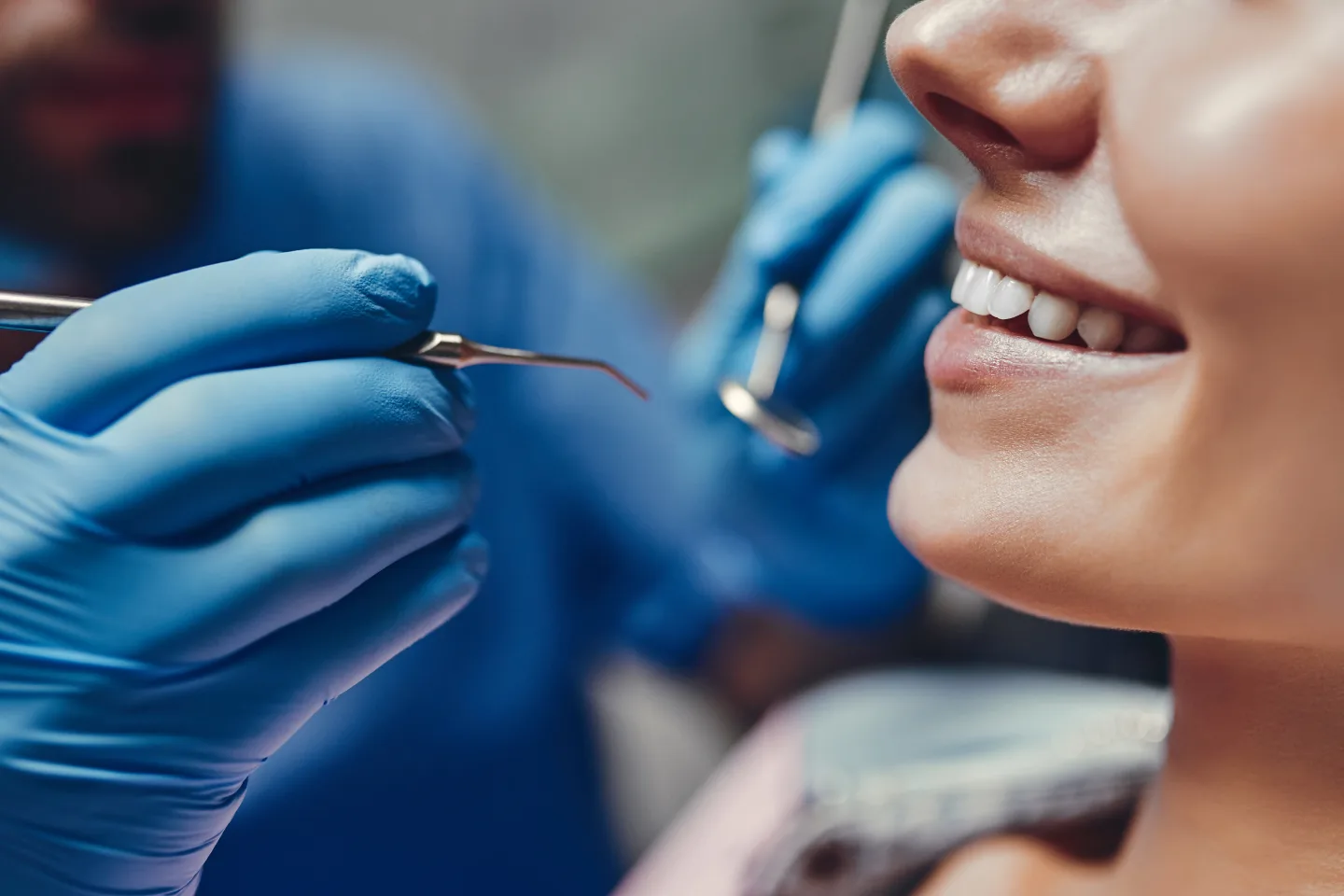
AI in Dentistry: Enhancing Diagnostic Accuracy and Patient Care
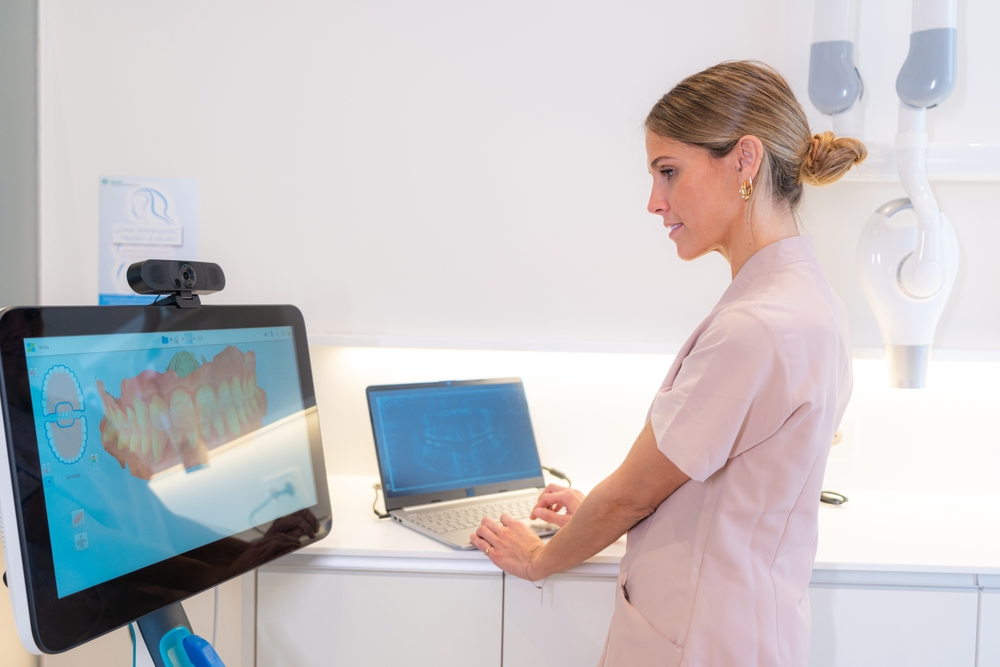
The Future of AI in Dentistry
The integration of artificial intelligence in dentistry is still evolving, but its potential is limitless. Future advancements may include AI-powered robotic surgeries, real-time diagnostic apps for patients, and even AI-assisted dental education to train the next generation of dentists.
AI’s ability to analyze X-rays and dental scans with unparalleled accuracy allows dentists to detect problems such as cavities, gum disease, and oral cancers earlier than ever before. These advanced tools enable dentists in New Jersey and elsewhere to create more precise treatment plans, which can result in faster recovery times and better overall outcomes for patients.
Artificial Intelligence (AI) is revolutionizing the field of dentistry, offering advanced tools that improve diagnostic accuracy, treatment planning, and patient care. With cutting-edge AI-driven solutions, dental professionals can now detect oral health issues earlier, provide more precise treatments, and enhance overall patient experiences.
In this blog, we’ll explore how AI is transforming modern dentistry and why it’s becoming an essential part of dental practices worldwide.
How AI is Transforming Dentistry
AI-powered technologies are being integrated into various aspects of dental care, from early diagnosis to personalized treatment planning. Here are some key ways AI is shaping the future of dentistry:
1. Improved Diagnostic Accuracy with AI-Powered Imaging
Traditional dental X-rays require expert analysis, which can sometimes lead to misdiagnosis or missed conditions. AI-driven diagnostic tools use deep learning algorithms to analyze dental images with high precision, identifying cavities, fractures, gum disease, and even early signs of oral cancer.
🔹 AI Example: Software like Overjet and Pearl uses AI to detect dental issues in X-rays more accurately than human observation alone. This helps dentists diagnose conditions earlier, leading to more effective treatments.
2. AI in Predictive Analytics for Preventive Care
AI can analyze a patient’s oral health data to predict future dental issues. By examining previous records, AI algorithms can anticipate the likelihood of cavities, gum disease, and other oral health problems, allowing dentists to implement preventive measures before serious complications arise.
🔹 AI Benefit: Personalized preventive plans can reduce the need for extensive dental procedures, saving patients time and money while improving their oral health.
3. Enhanced Patient Experience with AI Chatbots & Virtual Assistants
AI-powered chatbots and virtual assistants are improving patient engagement by answering common queries, scheduling appointments, and providing aftercare guidance. This ensures that patients receive instant support without waiting for a response from clinic staff.
🔹 AI Example: Dental practices use AI chatbots like Ada and Florence to provide real-time information and appointment reminders, enhancing the overall patient experience.
4. AI-Driven Treatment Planning & Robotic Assistance
AI is assisting dentists in designing more precise treatment plans, especially for orthodontics, dental implants, and restorations. AI-driven tools can create customized aligners, crowns, and veneers that fit more accurately than traditional methods.
🔹 AI in Action: Robotic systems like Yomi, the first FDA-approved dental robot, assist in implant surgeries by improving precision and reducing recovery time for patients.
5. Streamlining Administrative Tasks for Dental Practices
AI-powered tools help automate administrative tasks like billing, insurance verification, and patient data management, allowing dental professionals to focus more on patient care.
🔹 AI Advantage: AI automates repetitive tasks, reducing human errors and improving efficiency in dental clinics.