
This Common Cleaning Mistake Could Be Damaging Your Gums
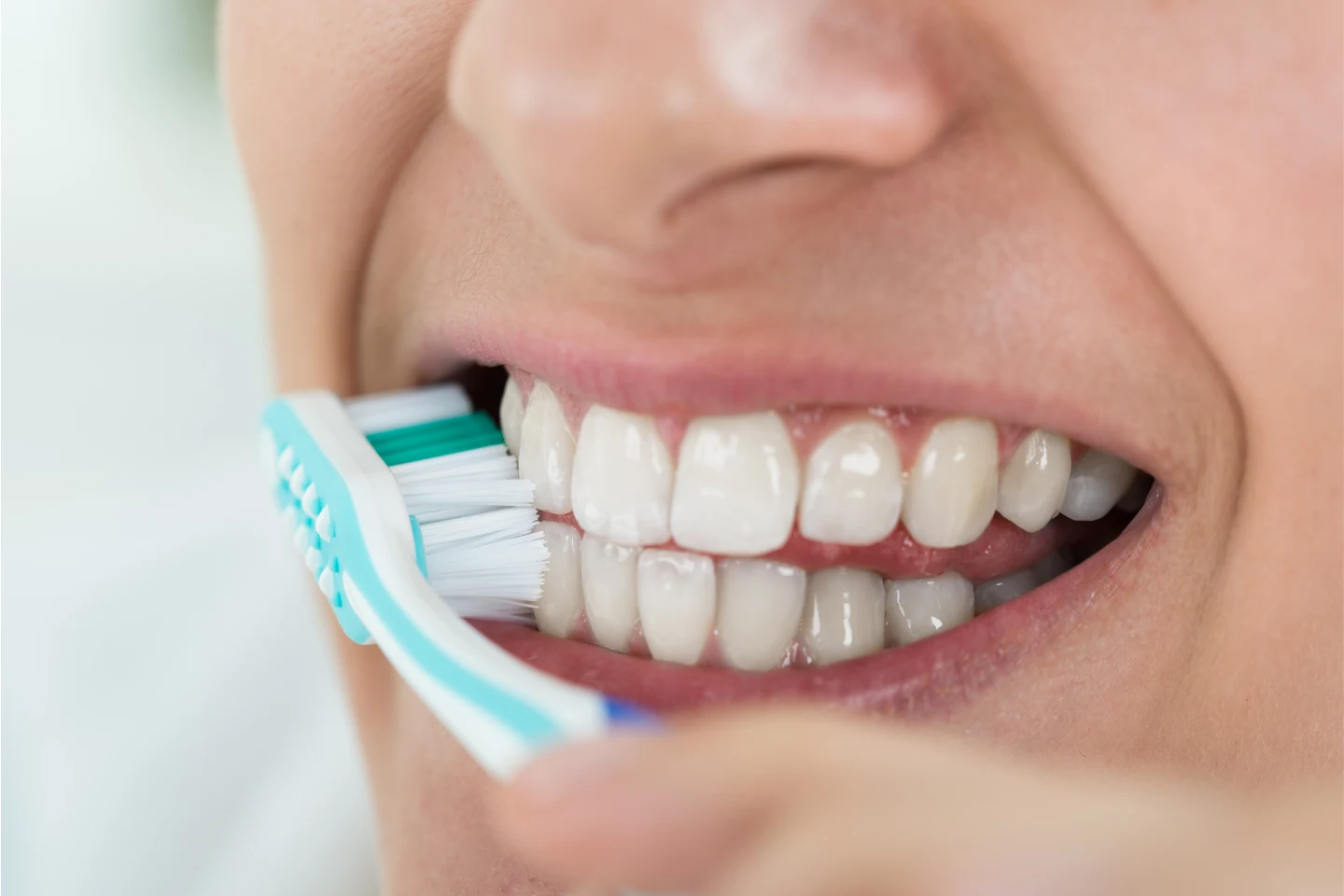
Is Your Toothbrush the Right Choice?
Your toothbrush plays a huge role in your gum health. If you’re using an old toothbrush with frayed bristles, you may be brushing harder to compensate, which can lead to damage. Make sure to replace your toothbrush every three months, or sooner if the bristles become worn out.
If you have sensitive gums, consider switching to an electric toothbrush. Many electric toothbrushes come with built-in pressure sensors that alert you when you’re brushing too hard. This feature can help you maintain the right pressure and avoid gum damage.
Brushing your teeth seems like a simple task, but many people unknowingly make a common mistake that could be damaging their gums. It’s a critical part of your dental hygiene routine, yet one mistake can lead to serious consequences like gum recession, irritation, and even tooth loss.
At BOOM Smiles Hoboken, we care about your oral health, and we’re here to help you avoid the most common cleaning mistake that’s damaging your gums—brushing too hard.
Why Brushing Too Hard Hurts Your Gums
Brushing your teeth too aggressively is more harmful than you might think. Many people believe that applying more pressure means cleaning more effectively, but in reality, brushing with too much force can cause significant damage over time. Here’s how:
1) Gum Recession: Your gums are made of soft, delicate tissue, and brushing too hard can cause them to recede, or pull back, from your teeth. As a result, more of your tooth’s root becomes exposed, leading to increased sensitivity and a higher risk of cavities along the gumline. Once your gums recede, they don’t grow back on their own, and treatment might be necessary to restore them. Learn about restorative dentistry options to repair such damage.
2) Enamel Wear: The bristles of your toothbrush can erode the enamel if you brush with too much pressure. Enamel is the hard outer layer of your teeth that protects them from decay and sensitivity. Your teeth become more susceptible to cavities, sensitivity, and even cracks or chips when enamel wears away.
3) Increased Tooth Sensitivity: If you’ve noticed that your teeth are more sensitive to hot, cold, or sweet foods, it might be due to aggressive brushing. Gum recession exposes the tooth roots, which are not covered by enamel. This makes your teeth more sensitive to temperature changes and certain foods. Consider our preventive dentistry services to catch issues early.
4) Gum Damage and Bleeding: Brushing with excessive force can irritate your gums, causing them to bleed or become inflamed. Healthy gums should not bleed when brushed; if you notice blood in the sink, it may be a sign of overbrushing or even gum disease. Chronic irritation can lead to periodontal issues, including gingivitis or periodontitis, which can further affect your oral health. Learn more in our blog on gum disease.