
Dental Implants After Gum Disease: Is It Possible?
Are Dental Implants Possible After Gum Disease?
Yes, but with important considerations.
Dental implants are titanium posts placed into your jawbone, acting as artificial roots to support crowns or dentures. For the implants to remain stable, they need healthy gum tissue and adequate bone.
If gum disease has caused significant damage, your dental team will need to take additional steps before implant placement. These may include:
- Treating active infection
- Gum therapy to control inflammation
- Bone grafting to rebuild lost jawbone
- Customized oral hygiene protocols post-implant
At BOOM Smiles Secaucus, our team is experienced in managing post-periodontal patients and creating treatment plans that minimize risk while maximizing outcomes.
If you’ve experienced gum disease and lost teeth as a result, you’re not alone. Periodontal disease is one of the leading causes of adult tooth loss. And if you’re now exploring tooth replacement options, you may be wondering: Can I still get dental implants after gum disease?
The short answer is yes—many patients with a history of gum disease can successfully receive dental implants. However, it requires careful planning, experienced care, and often additional steps to ensure long-term success.
At BOOM Smiles in Secaucus, we regularly work with patients who have battled gum disease and are now ready to rebuild their smiles. In this blog, we’ll walk you through what you need to know about dental implants after periodontal disease, the treatment process, and how we help you protect your investment.
Understanding Gum Disease and Its Impact
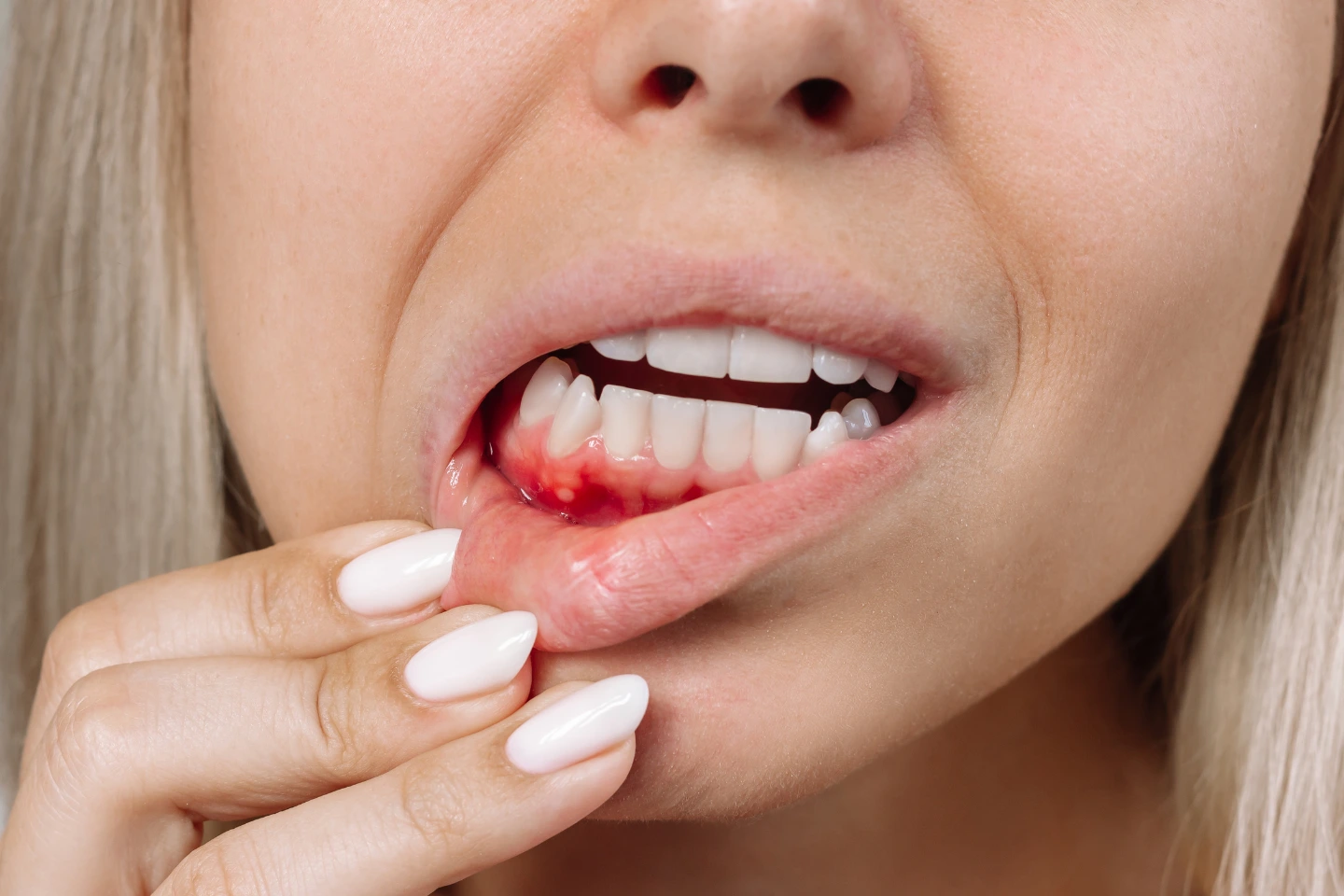
Gum disease, or periodontitis, is a chronic bacterial infection that affects the gums and supporting bone around your teeth. Over time, it causes:
- Gum recession
- Loss of connective tissue
- Deterioration of the jawbone
- Tooth mobility and eventual tooth loss
When gum disease is not treated in time, the bone that anchors your teeth is gradually destroyed. This poses a challenge for dental implants, which rely on healthy bone to stay secure.
But here’s the good news: bone loss doesn’t always disqualify you from getting implants, especially with today’s advanced techniques and periodontal care.