
How Sedation Dentistry Can Ease Dental Anxiety
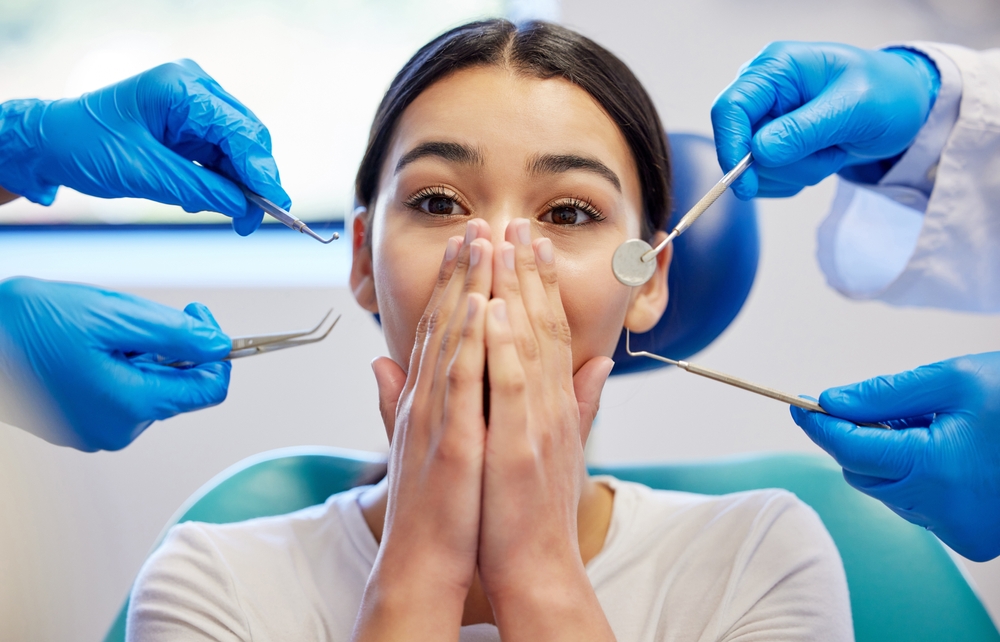
Who Can Benefit from Sedation Dentistry?
1) People with dental anxiety or phobia: Those who experience excessive fear about dental procedures.
2) Patients with a low pain threshold: Individuals who are highly sensitive to pain and discomfort.
3) Individuals with a strong gag reflex: Sedation helps suppress the gag reflex, making treatments easier.
4) Patients undergoing extensive procedures: Those who require multiple treatments in one visit.
5) Children or individuals with special needs: Sedation helps make dental visits more manageable for those who have difficulty staying still.
Finally, a stress-free way to experience dental care!
For many people, a trip to the dentist is a routine part of maintaining good oral health. However, for others, dental visits can be a source of extreme fear and anxiety. If you struggle with dental anxiety or even teeth phobia, you’re not alone—millions do. Fortunately, sedation dentistry offers a solution to make dental visits more comfortable and stress-free.
Sedation dentistry is a safe and effective method that helps anxious patients relax during dental procedures. Whether you have a fear of needles, sensitive teeth, or past traumatic dental experiences, sedation dentistry can transform your experience at the dentist’s office. In this blog, we will explore the different types of sedation available and how they can help ease dental anxiety.
What Is Sedation Dentistry?
Sedation dentistry involves the use of medication to help patients feel relaxed and comfortable during dental procedures. It is commonly referred to as “sleep dentistry,” although most forms of sedation do not actually put the patient to sleep. Instead, they help create a calm and anxiety-free state, making dental treatments more manageable for both the patient and the dentist.
Types of Sedation Available in Dentistry
1. Nitrous Oxide (Laughing Gas)
What is it?Nitrous oxide, commonly known as “laughing gas,” is one of the most commonly used forms of sedation in dentistry. It is a colorless, odorless gas that is inhaled through a small mask placed over the nose.
How it works:
- The patient breathes in the nitrous oxide, which induces a feeling of relaxation and euphoria.
- The effects take hold within minutes and wear off quickly after the gas supply is stopped.
- Patients remain awake and responsive during the procedure but feel significantly calmer.
Benefits:
- Safe and effective for both adults and children.
- Quick onset and fast recovery time.
- No lingering drowsiness, allowing patients to resume normal activities soon after the procedure.
2. Oral Sedation
What is it?Oral sedation involves taking a prescribed sedative pill before the dental appointment. The most commonly used medications include diazepam, lorazepam, and triazolam.
How it works:
- The pill is taken about an hour before the procedure to help the patient feel relaxed and drowsy.
- While the patient remains awake, they may have little memory of the procedure due to the amnesic effects of the medication.
- The level of sedation can range from mild to moderate, depending on the dosage prescribed.
Benefits:
- Simple and easy to administer.
- No needles involved, making it ideal for patients with needle phobia.
- Provides a deeper level of relaxation than nitrous oxide.
3. IV Sedation (Intravenous Sedation)
What is it?IV sedation involves the administration of sedative drugs directly into the bloodstream through an intravenous (IV) line.
How it works:
- The sedative is delivered through a vein, allowing for rapid onset and precise control of the sedation level.
- Patients remain in a semi-conscious state and may have little to no memory of the procedure.
- It provides a deeper level of sedation compared to oral and nitrous oxide sedation.
Benefits:
- Fast-acting and highly effective for severe dental anxiety.
- Adjustable dosage for customized comfort.
- Often used for longer or more complex dental procedures.
4. General Anesthesia
What is it?General anesthesia is the deepest form of sedation and is typically reserved for extensive surgical procedures or patients with extreme dental phobia.
How it works:
- The patient is completely unconscious and does not feel any pain during the procedure.
- The anesthesia is administered through IV or inhalation under the supervision of a trained anesthesiologist.
- It requires a longer recovery period compared to other forms of sedation.
Benefits:
- Ideal for patients with extreme dental anxiety or special needs.
- Ensures a completely pain-free experience.
- Suitable for lengthy and complex dental surgeries.