
Implant vs. Bridge: Which One Is the Best Long-Term Solution?
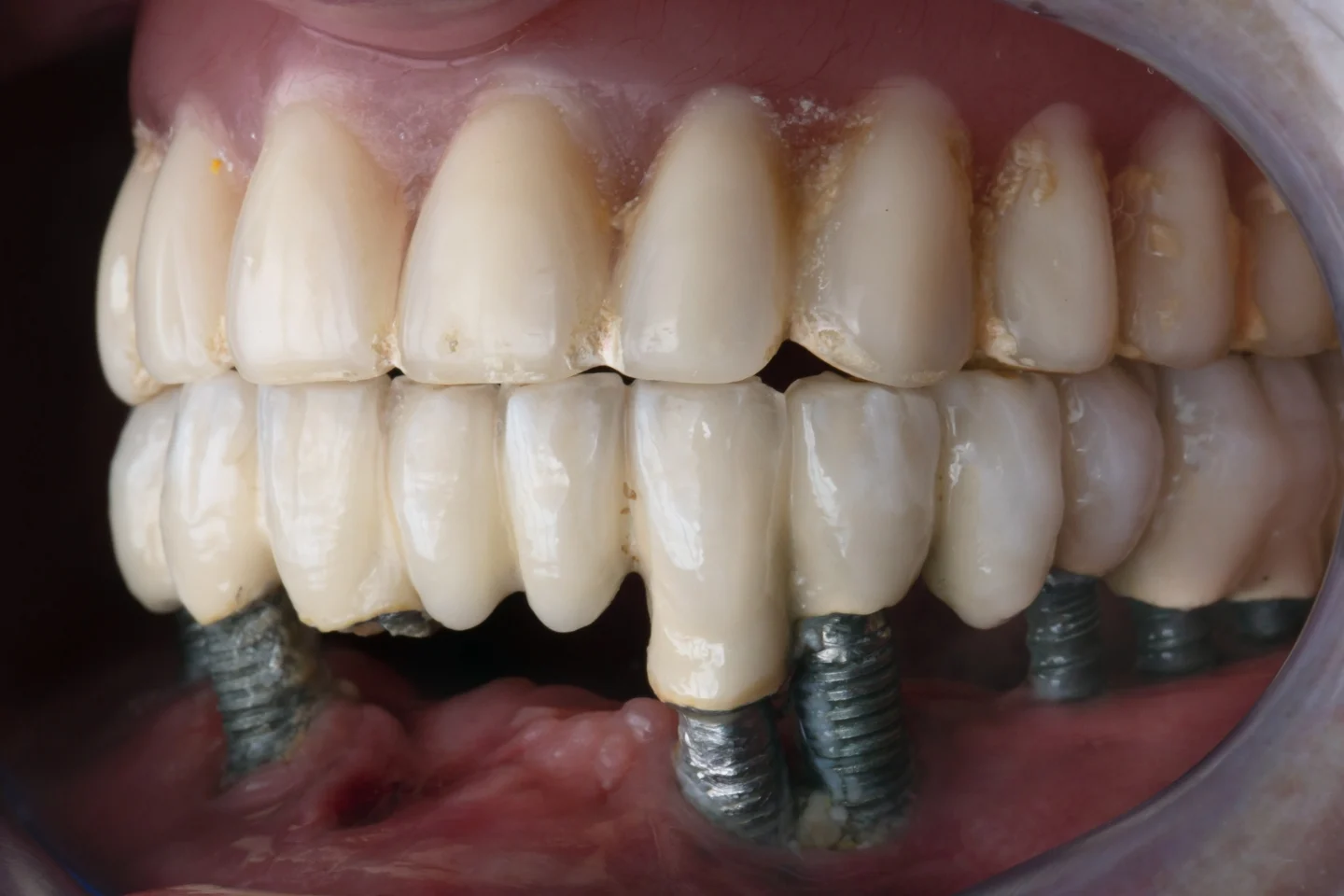
Comparing Dental Implants and Bridges
1. Durability and Lifespan
Dental implants are built to last. With proper oral hygiene and regular dental visits, an implant can last a lifetime. The crown that sits on the implant may need replacement after 15–20 years, but the titanium post itself is extremely durable.
Dental bridges, on the other hand, generally last between 10 and 15 years. They can fail due to decay under the supporting crowns, wear and tear, or changes in bite alignment over time.
Long-term winner: Dental Implants
Losing a tooth can be overwhelming, and the decisions that follow are just as important as the extraction itself. When it comes to replacing a missing tooth, two of the most common options are dental implants and dental bridges. Both are effective, both restore function and aesthetics, and both are commonly recommended depending on the individual case.
So how do you choose between the two?
At BOOM Smiles in Hoboken, we help patients every day weigh the pros and cons of implants and bridges. If you’re trying to make an informed decision, this guide will walk you through everything you need to know to determine which option offers the best long-term benefits for your smile, your health, and your peace of mind.
What is a Dental Bridge?
A dental bridge is a fixed prosthetic used to replace one or more missing teeth. It typically consists of a false tooth (or teeth) anchored in place by crowns cemented onto the adjacent natural teeth. While bridges restore your bite and appearance, they rely heavily on the support of neighboring teeth.
Pros of Bridges:
– Typically completed in two to three visits
– No surgery required
– Lower initial cost
Cons:
– Requires removal of healthy enamel on adjacent teeth
– Does not stimulate the jawbone
– May need to be replaced in 10–15 years
What is a Dental Implant?
A dental implant is a titanium post surgically placed into the jawbone to act as an artificial root. Once the implant integrates with the bone (a process known as osseointegration), a crown is placed on top, completing the restoration.
Pros of Implants:
– Does not rely on adjacent teeth
– Prevents bone loss
– Often lasts 20+ years, potentially a lifetime
– Feels and functions like a natural tooth
Cons:
– Requires surgery
– Higher upfront cost
– Healing time required before the final restoration