
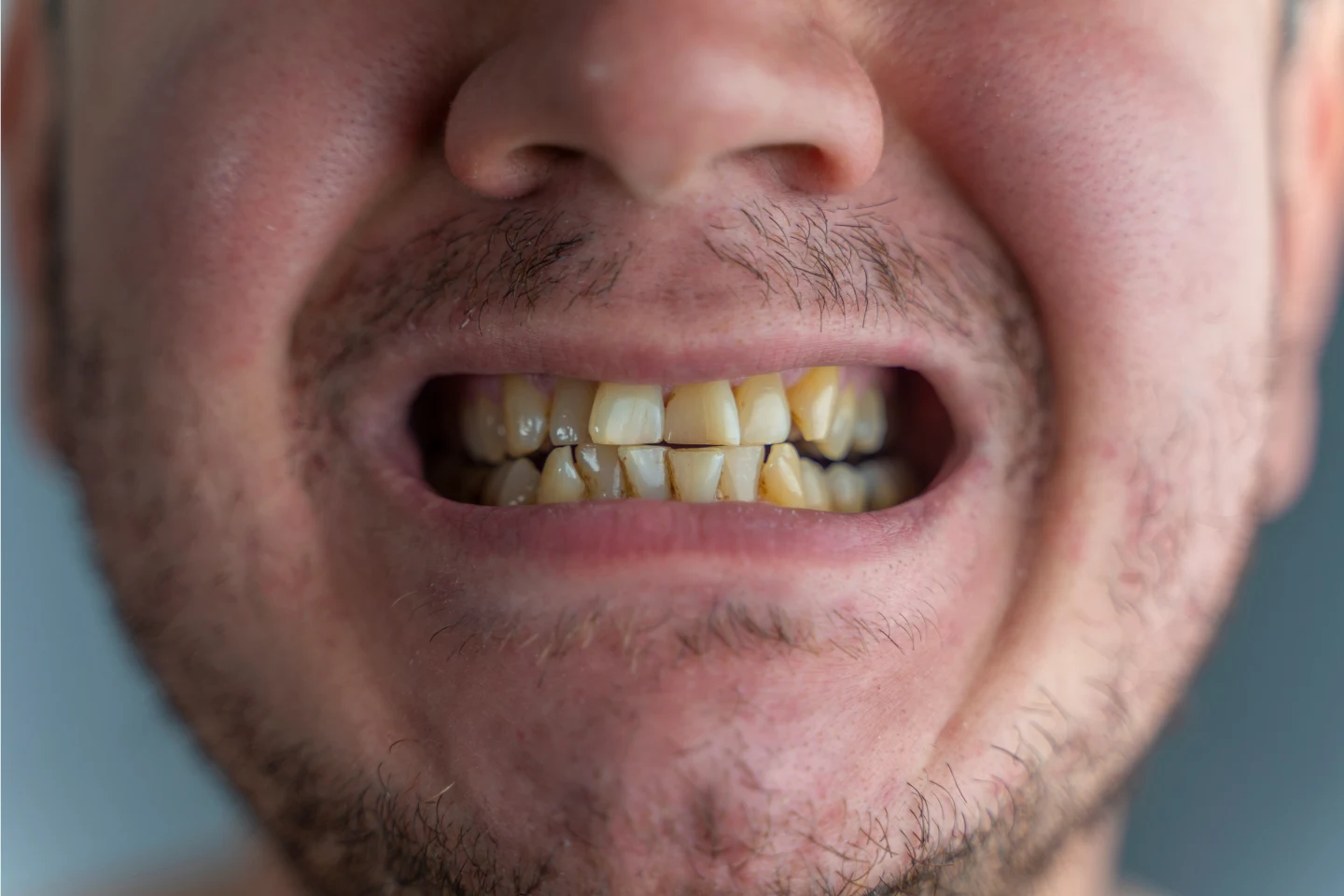
What Causes Yellow Teeth (And How to Fix Them)
Preventing Yellow Teeth
Once your teeth are whiter, maintaining them requires good habits:
1) Brush and floss daily.
2) Visit your dentist for regular cleanings and check-ups.
3) Limit staining foods and drinks.
4) Avoid tobacco products.
5) Use a whitening toothpaste to maintain brightness.
These steps are essential parts of preventive dental care that help maintain a white, healthy smile over time.
A bright, white smile is often associated with good oral health and confidence. However, many people struggle with yellow teeth, which can be caused by various factors. If you’ve noticed that your teeth are not as white as they used to be, don’t worry—there are solutions available. In this blog, we’ll explore the most common causes of yellow teeth and the most effective ways to restore their natural whiteness.
What Causes Yellow Teeth?
Several factors contribute to teeth yellowing. Some are related to lifestyle choices, while others are caused by aging, genetics, or medical conditions. Understanding the reason for yellow teeth can help you take action early.
1) Poor Oral Hygiene
Neglecting proper oral care can lead to plaque buildup, which contributes to yellowish teeth. Failing to brush and floss regularly allows food particles and bacteria to stain the teeth over time. Regular checkups and cleanings help remove stains and maintain oral health.
2) Staining Foods and Drinks
Certain foods and beverages are known to stain teeth. Common culprits include:
a) Coffee and tea – The dark pigments in these drinks cling to enamel.
b) Red wine – Contains tannins that can stain teeth.
c) Soda and sugary drinks – Acids in soda weaken enamel, making stains more visible.
d) Tomato-based sauces – Their rich color and acidity contribute to staining.
e) Berries – While healthy, berries like blueberries and blackberries can stain teeth.
3) Tobacco Use
Smoking and chewing tobacco are among the top yellow teeth causes. Nicotine and tar deeply stain enamel and lead to long-term discoloration.
4) Aging
As we age, the enamel (the outer layer of the teeth) naturally wears down, exposing the yellowish dentin underneath. This makes teeth appear more yellow even with good oral hygiene.
5) Genetics
Some people naturally have thicker or whiter enamel than others. If your parents have naturally yellowish teeth, you may be more prone to discoloration.
6) Certain Medications
Some antibiotics, such as tetracycline and doxycycline, can cause tooth discoloration when taken during childhood. Additionally, some antihistamines, high blood pressure medications, and chemotherapy treatments may contribute to yellowing.
7) Excessive Fluoride Exposure
While fluoride is essential for preventing cavities, excessive fluoride intake (often from overuse of fluoride toothpaste or fluoridated water) can cause fluorosis, leading to yellow or brownish spots on teeth.
8) Enamel Erosion
Acidic foods, acid reflux, and conditions like bruxism (teeth grinding) can erode enamel, making the yellowish dentin beneath more visible.