
f you're experiencing symptoms such as tooth sensitivity, a tooth that appears darker than usual, swelling in your gums or face, persistent tooth pain, or even an abscess, these may be signs that your tooth is infected. Infections typically occur when untreated tooth decay progresses deeper into the tooth, reaching the pulp layer. Dental trauma can also lead to inflammation in the pulp, causing discomfort.Root canal therapy is a highly effective solution for treating these types of infections. In fact, it has a 95% success rate in restoring the health of the tooth and preventing the need for extraction. This procedure involves removing the infected or damaged pulp, cleaning out the affected area, and filling it with a biocompatible material. A dental crown is then placed over the treated tooth to ensure it remains protected and functional. If you suspect you need root canal treatment, don't wait to address it. Contact us at BOOM Smiles Group in Secaucus today to schedule a consultation with our root canal specialist. We're here to help restore your oral health and bring comfort back to your smile.
When you come in for a root canal consultation, one of our experienced dentists will conduct a thorough examination of your teeth. Using x-rays, we’ll look for signs of infection or damage in the tooth’s pulp. Based on the severity of the infection, if it has reached an advanced stage, we may recommend a tooth extraction as a last resort. Our goal is always to preserve your natural teeth whenever possible, and we’ll work with you to determine the best treatment plan.
To ensure you remain comfortable throughout your root canal treatment, local anesthesia will be administered to numb the area and prevent any pain. Additionally, we offer four different sedation options tailored to meet your comfort levels, so you can choose the best option to relax during the procedure. Whether you need minimal sedation or a deeper level of relaxation, we have solutions to ensure your treatment is as stress-free as possible.
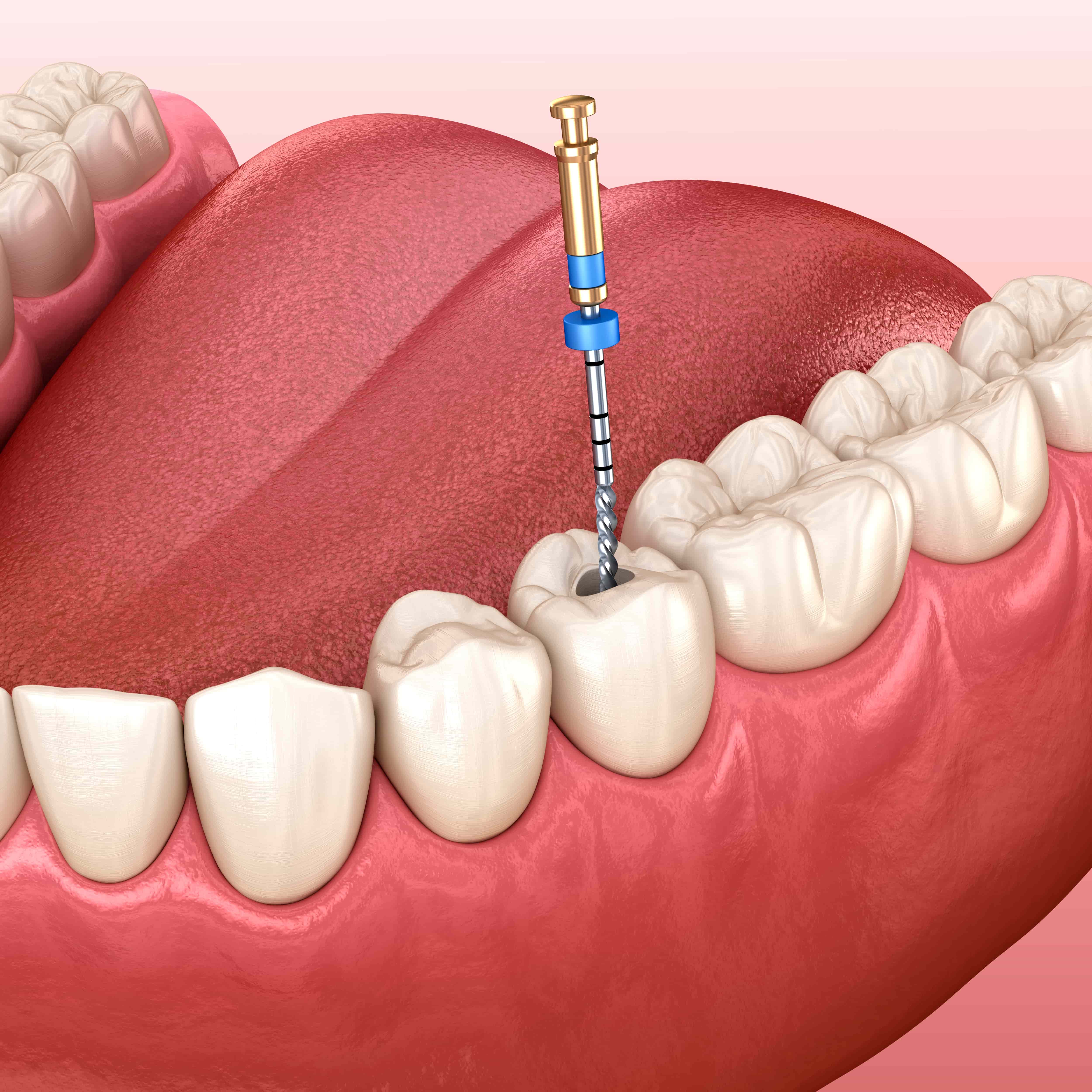
During the root canal procedure, a pulpectomy is performed to remove the infected tissue from the inside of your tooth. After carefully drilling into the tooth to access the pulp chamber, our dentist will remove all the damaged or infected pulp tissue, including the roots. Following this, the tooth’s canals will be thoroughly cleaned and sanitized to eliminate any bacteria and prevent future infection, ensuring the tooth is prepared for the next stage of the treatment.
Once the infected pulp has been removed and the canals are cleaned, the next step in your root canal treatment is to fill the space. We use a biocompatible material called gutta-percha to fill the empty canals. This filling helps seal the tooth, preventing any further infection and providing a strong base for the final restoration, which is typically a dental crown to protect and strengthen the tooth.
After completing the root canal procedure, a dental crown is often recommended to restore the tooth’s strength and protect it from further damage. While not all teeth require a crown, molars—especially those in the back of your mouth—are more susceptible to damage due to the pressure they endure during chewing. A crown acts as a protective cover, ensuring the tooth remains functional and preserving your smile for years to come.
When performing a root canal on the front teeth (anterior teeth), the procedure can be more challenging due to the smaller size of these teeth. Since there is less surface area to work with, accessing the pulp chamber requires drilling into the lingual side of the tooth. Despite the complexity, anterior teeth typically have 1 to 2 canals, making the cleaning process faster and often requiring fewer visits. Unlike molars, dental crowns are generally not necessary for front teeth as they don't experience as much chewing pressure.

Root canal treatment on posterior teeth (the back teeth) involves working with teeth that typically have up to 4 canals per tooth, making the pulpectomy and canal cleaning process more time-consuming. Due to the complexity of these teeth, the procedure may need to be completed over two appointments. Fortunately, posterior teeth offer a larger surface area, and we can access the pulp more easily by drilling into the chewing surface of the tooth. To ensure long-lasting protection and restore full functionality, we highly recommend placing dental crowns on these teeth.
Our dental team also specializes in complex posterior root canal treatments in Hoboken with custom crown restorations.

If you're experiencing symptoms like severe tooth pain, prolonged tooth sensitivity, darkened teeth, swelling in your gums or face, or if you have an abscess, these are all signs that you may need a root canal. A root canal can help treat infection or damage in the inner pulp of the tooth, which is essential to prevent further complications or tooth loss.
While many people believe that root canal treatments are painful, the procedure itself is actually not much different from getting a filling. Local anesthesia is administered to ensure you don’t feel any discomfort during the procedure. Afterward, you might experience mild soreness, which can usually be managed with over-the-counter pain relievers. Our goal is to make the process as comfortable and stress-free as possible.