
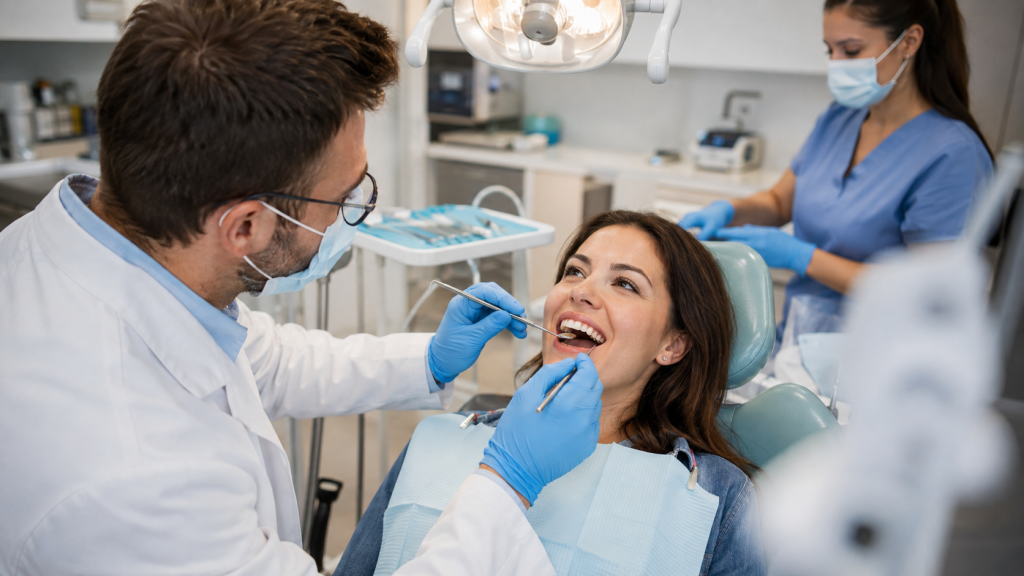
Dental implants can be life-changing for people who are missing one tooth, several teeth, or even a full arch of teeth. They are designed to look, feel, and function more like natural teeth than many traditional replacement options. Still, one of the first questions many patients ask is simple: What is the cost of dental implants in Hoboken, NJ?
The honest answer is that implant pricing varies from patient to patient. A single dental implant has a different cost than an implant-supported bridge or a full-mouth restoration. Bone health, gum health, the type of final tooth replacement, sedation needs, and dental insurance can all influence the final investment.
This guide explains the main factors that affect dental implant costs, what may be included in treatment, and how patients can prepare for a consultation with confidence.
Dental implant treatment, costs, healing timelines, and candidacy vary for each person. This article is for general education only and should not replace a consultation with a licensed dental professional.
Why Dental Implant Costs Vary So Much
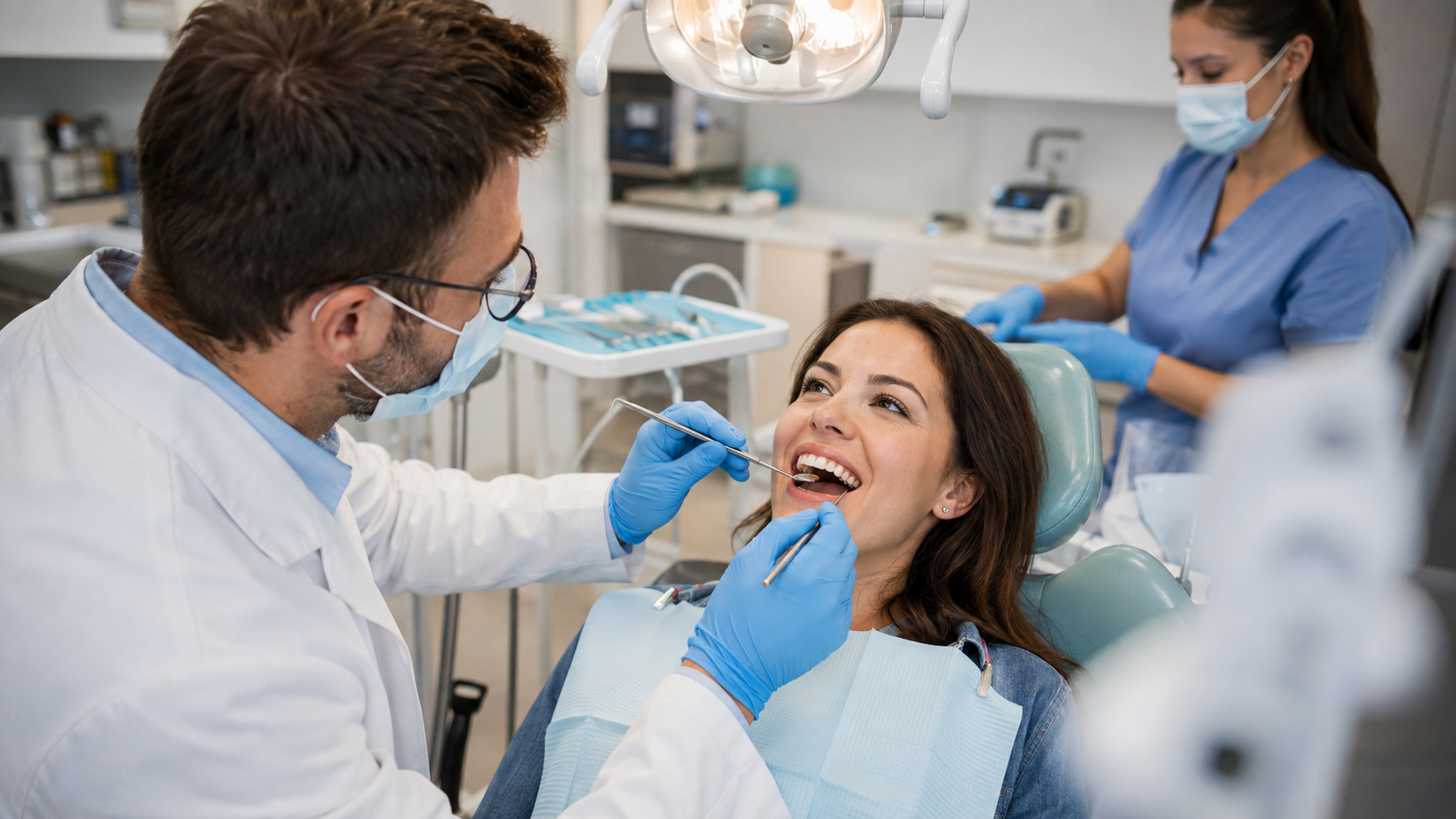
Dental implants are not a one-size-fits-all treatment. They involve several steps, and each patient’s mouth has its own needs. That is why two people in the same city may receive very different implant estimates.
In general, a dental implant replaces the root of a missing tooth. A small titanium or ceramic post is placed in the jawbone, where it can fuse with the bone over time. Once healed, the implant supports a crown, bridge, or denture.
Because the process includes surgical placement, restorative planning, materials, imaging, and follow-up care, the cost reflects more than just the implant itself. Patients are paying for careful diagnosis, customized treatment planning, clinical skill, and the final restoration that completes the smile.
Average Cost of Dental Implants in Hoboken, NJ
While exact fees require an in-person exam, many patients can expect a single dental implant with an abutment and crown to cost several thousand dollars. In many areas, including higher-cost regions of New Jersey and the New York metro area, a single implant restoration may commonly fall somewhere in the range of $3,000 to $6,000 or more per tooth, depending on the case.
More complex treatments cost more. For example, replacing several missing teeth with an implant bridge, or replacing a full arch with implant-supported dentures, may involve multiple implants, advanced imaging, temporary teeth, lab-made restorations, and additional appointments.
It is important to view any online number as a general estimate, not a quote. The most accurate way to understand the cost of dental implants in Hoboken, NJ is to schedule a consultation and receive a personalized treatment plan.
What May Be Included in the Price of a Dental Implant?
When comparing implant costs, patients should make sure they understand what is included. A lower advertised fee may cover only one part of treatment, while a more complete estimate may include several phases.
Consultation and Exam
The process often begins with a dental exam, health history review, and discussion of goals. The dentist evaluates the missing tooth area, bite, gum tissue, and overall oral health.
Digital X-Rays or 3D Imaging
Many implant cases require detailed imaging. A 3D scan can help the dental team evaluate jawbone volume, nerve location, sinus position, and the best angle for implant placement. This planning step supports safety, precision, and long-term function.
Implant Post
The implant post is the part placed into the jawbone. It acts like an artificial tooth root and provides the foundation for the final restoration.
Abutment
The abutment is a connector piece that attaches to the implant post. It helps support the crown, bridge, or denture that will be visible when smiling and chewing.
Crown, Bridge, or Denture
The visible tooth replacement is a major part of the final cost. A single crown, multi-tooth bridge, or full-arch denture each requires different materials, lab work, design, and clinical time.
Follow-Up Visits
Follow-up appointments allow the dentist to check healing, comfort, bite alignment, and the fit of the final restoration. These visits are an important part of the overall implant experience.
Key Factors That Affect Dental Implant Pricing
Several details can influence the total investment. Understanding these factors helps patients avoid surprises and ask better questions during their consultation.
Number of Teeth Being Replaced
Replacing one tooth usually costs less than replacing multiple teeth. However, patients do not always need one implant for every missing tooth. In some cases, two or more implants can support a bridge, which may be more efficient than placing separate implants for each tooth.
Condition of the Jawbone
Dental implants need strong, healthy bone for support. When a tooth has been missing for a long time, the jawbone in that area may shrink. If there is not enough bone, the dentist may recommend bone grafting before or during implant placement.
Bone grafting can improve the foundation for the implant, but it may add cost and healing time.
Gum Health
Healthy gums play an important role in implant success. If a patient has active gum disease, the dental team may recommend periodontal treatment before moving forward with implants. Treating gum inflammation first helps create a healthier environment for healing.
Need for Tooth Extraction
If a damaged or failing tooth is still present, extraction may be necessary before implant placement. In some cases, implant placement can happen the same day as extraction. In other cases, the area needs time to heal first.
Type of Restoration
A single implant crown, implant-supported bridge, snap-in denture, and fixed full-arch restoration all have different costs. Materials also matter. Zirconia, porcelain, acrylic, and other dental materials vary in strength, appearance, and price.
Technology and Planning
Modern implant dentistry often uses digital scans, guided surgery, and custom-designed restorations. These tools may add to the upfront cost, but they can also support accurate planning, comfort, and predictable results.
Sedation or Comfort Options
Some patients feel nervous about implant treatment. Depending on the dental office and the patient’s health history, sedation or enhanced comfort options may be available. These services may carry separate fees.
Does Dental Insurance Cover Implants?
Dental insurance coverage for implants varies widely. Some plans provide partial coverage for certain portions of treatment, such as the crown, extraction, or imaging. Other plans may classify implants as an elective procedure and provide limited or no coverage.
Patients should not assume their plan will cover or deny treatment without verification. A dental office can often help review benefits, submit estimates, and explain which parts of treatment may be eligible for reimbursement.
It is also helpful to ask about annual maximums, waiting periods, missing tooth clauses, deductibles, and whether medical insurance may apply in specific circumstances. Coverage can be confusing, but asking early can make financial planning much easier.
Are Dental Implants Worth the Cost?
For many patients, dental implants offer advantages that make them a worthwhile long-term option. They are designed to be stable, secure, and natural-looking. Unlike traditional removable dentures, implants can help improve chewing confidence and reduce movement while eating or speaking.
Dental implants also help stimulate the jawbone. When a natural tooth root is missing, the bone in that area can gradually shrink. An implant can help maintain bone support because it functions more like a tooth root.
That said, implants are not the right choice for everyone. Some patients may prefer bridges or dentures due to health considerations, timeline, budget, or personal preference. A trusted dental team can explain the pros and cons of each option without pressure.
Ways to Manage the Cost of Dental Implants
Dental implants are an investment, but many patients have options to make treatment more manageable.
Ask for a Complete Written Estimate
A clear estimate should explain each phase of treatment. Patients should ask whether the quoted fee includes the implant post, abutment, crown, imaging, bone grafting, temporary teeth, and follow-up visits.
Review Financing Options
Many dental practices offer financing or third-party payment plans that allow patients to spread the cost over time. This can help make care more accessible without delaying important treatment for too long.
Use Dental Benefits Strategically
If insurance provides partial benefits, the dental team may help schedule treatment in a way that uses available coverage wisely. For example, some patients may benefit from timing phases of care around annual benefit renewals.
Consider Long-Term Value
While removable dentures or traditional bridges may cost less upfront, they may require adjustments, replacements, or additional maintenance over time. Implants can be a strong long-term solution when properly planned and cared for.
What Happens During a Dental Implant Consultation?
A consultation gives the dental team a chance to understand the patient’s needs and answer questions clearly. It also gives the patient a chance to feel comfortable with the office, the process, and the recommended plan.
During the visit, the dentist may review medical history, examine the mouth, take X-rays or scans, discuss tooth replacement goals, and explain available options. If implants are a good fit, the team can outline the expected timeline, number of appointments, estimated costs, and any preparatory treatment needed.
Patients should feel encouraged to ask questions. A good consultation is not rushed. It should help the patient understand what is happening, why it is recommended, and what choices are available.
Questions to Ask About Implant Costs
Before beginning treatment, patients may want to ask:
- What is included in the total estimate?
- Are imaging, abutments, and crowns included?
- Will bone grafting or extractions be needed?
- How many implants are recommended and why?
- What type of final restoration is being used?
- How long will treatment take from start to finish?
- What payment or financing options are available?
- How should the implant be cared for after treatment?
These questions help patients compare treatment plans more accurately. They also reduce confusion when reviewing fees from different dental offices.
How to Care for Dental Implants After Treatment
Good home care helps protect the investment. Dental implants cannot get cavities, but the gums and bone around them still need attention. Plaque buildup can lead to inflammation, infection, and implant complications.
Patients should brush twice daily, clean between teeth, keep regular dental checkups, and follow any special instructions from the dentist or hygienist. Some patients may need special floss, interdental brushes, or a water flosser to clean around implant restorations.
Routine maintenance allows the dental team to monitor the implant, bite, gum tissue, and surrounding teeth. Small concerns are often easier to address when found early.
FAQ About the Cost of Dental Implants in Hoboken, NJ
How much does one dental implant cost in Hoboken, NJ?
The cost of one dental implant in Hoboken, NJ can vary depending on the patient’s needs, the type of restoration, and whether additional procedures are required. A single implant with an abutment and crown often costs several thousand dollars, and many cases may fall around $3,000 to $6,000 or more. A consultation is needed for an accurate estimate.
Why are dental implants more expensive than dentures?
Dental implants involve surgical placement, detailed planning, implant components, and custom restorations. Dentures may have a lower upfront cost, but implants often provide more stability and can help preserve jawbone. The best option depends on the patient’s health, goals, and budget.
Does insurance pay for dental implants?
Some dental insurance plans cover part of implant treatment, while others do not. Coverage may apply to the crown, extraction, or certain diagnostic steps rather than the implant itself. Patients should have their benefits reviewed before starting treatment.
Is bone grafting always needed before implants?
No. Bone grafting is only needed when there is not enough healthy bone to support an implant. The dentist can evaluate bone volume with imaging and explain whether grafting is recommended.
How long do dental implants last?
Dental implants are designed as a long-term tooth replacement option. Their lifespan depends on oral hygiene, gum health, bite forces, medical conditions, and regular dental care. The crown or restoration attached to the implant may need replacement over time due to normal wear.
Can patients finance dental implant treatment?
Many dental offices offer financing options or payment plans through third-party lenders. Patients interested in implants should ask about available options during the consultation so they can plan treatment in a way that fits their budget.
A Comfortable Next Step Toward a Complete Smile
Understanding the cost of dental implants in Hoboken, NJ starts with understanding the person behind the smile. Every patient has different oral health needs, comfort levels, goals, and financial considerations.
The team at BOOM Smiles Group encourages patients to ask questions, explore options, and take the process one step at a time. A personalized consultation can clarify candidacy, expected costs, treatment phases, and ways to make care more manageable.
For anyone considering dental implants, the best next step is a conversation with a qualified dental professional. With the right guidance, patients can make informed decisions and move toward a healthier, more confident smile.