
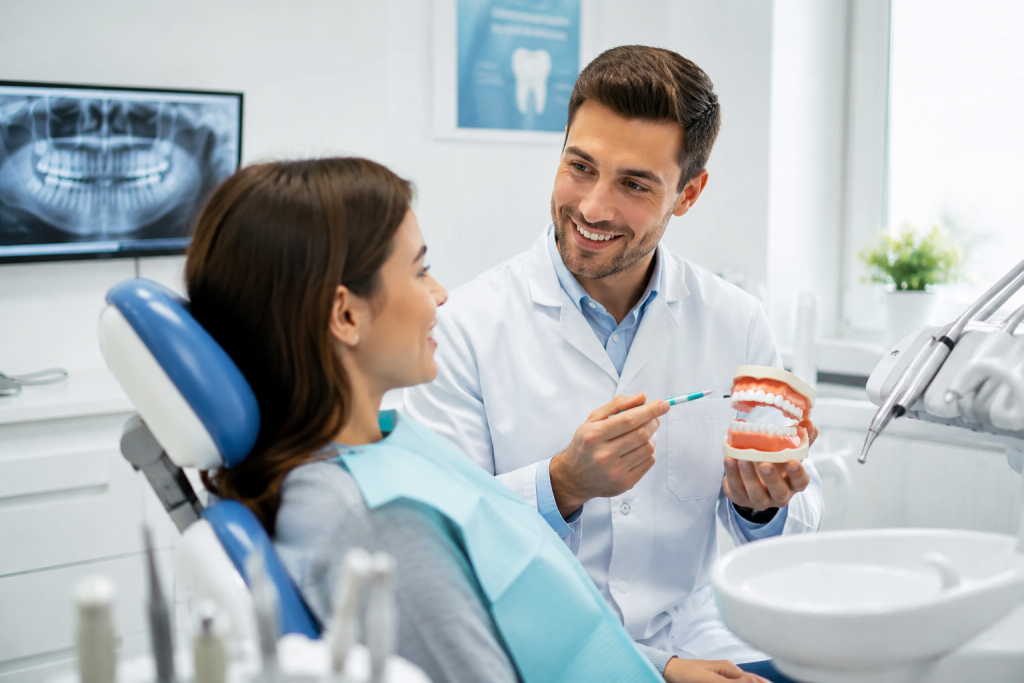
You can expect fast, practical care when dental trouble strikes in Hoboken, NJ — same-day appointments, pain control, and repairs for broken or knocked-out teeth are commonly available. If you face severe pain, bleeding, or a damaged tooth, get to an emergency dentist right away to protect your smile and prevent worse problems.
They will explain what’s happening, stabilize your condition, and outline options so you know what to expect during treatment and recovery. This article guides you through recognizing true dental emergencies, immediate steps to take before arriving, the kinds of services local clinics provide, and how to choose a calm, capable team to handle urgent care.
You’ll also find practical tips to ease anxiety, reduce discomfort while you wait, and simple prevention habits that lower the chance of another emergency. Keep this information handy so you can act quickly and confidently if a dental crisis occurs.
Recognizing Dental Emergencies
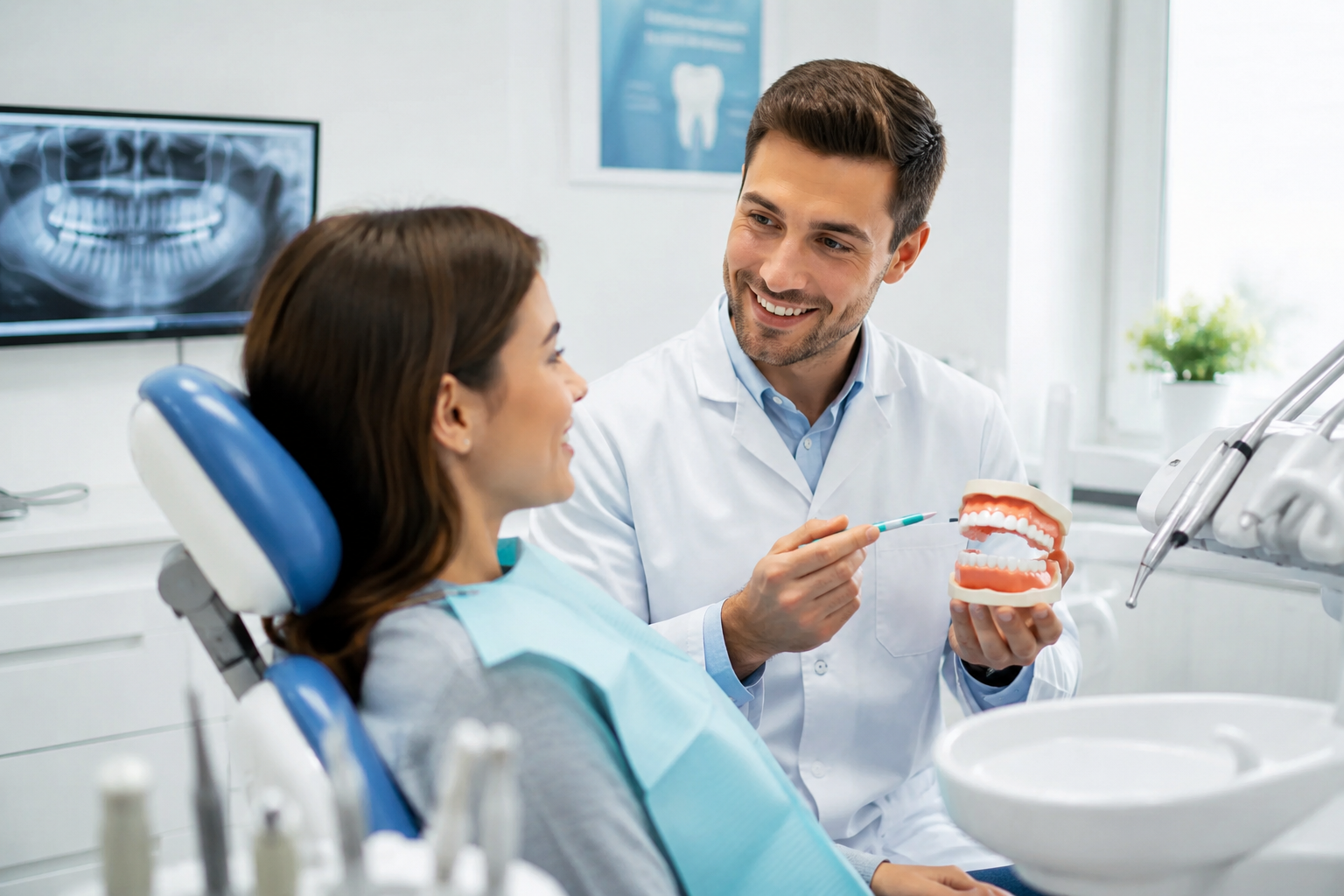
Patients should know which symptoms need immediate attention, which can wait until morning, and what to do while arranging care. Clear, specific signs and steps reduce pain, prevent complications, and protect long-term oral health.
Common Signs That Require Urgent Care
Severe, uncontrolled tooth pain that prevents sleep or eating often indicates infection, deep decay, or a cracked tooth and warrants same-day attention. Swelling of the face, neck, or around the eye can signal a spreading infection; this requires prompt evaluation to avoid airway or systemic complications.
A knocked-out permanent tooth (avulsed) needs action within 60 minutes for the best chance of reimplantation; keep the tooth moist in milk or saline and see an emergency dentist immediately. Heavy bleeding that doesn’t stop after 15–20 minutes of direct pressure may need surgical repair or packing.
Signs of a broken tooth that exposes the nerve—sharp, intense pain or visible pulp—should be treated quickly to prevent infection. Any sudden change in bite, a loose tooth after trauma, or fever with dental pain also merits urgent care.
When to Seek Immediate Help
If swelling causes difficulty breathing, swallowing, or speaking, call emergency services and go to the nearest hospital; dental clinics cannot manage airway compromise. High fever (over 101°F/38.3°C) with severe tooth pain or facial swelling suggests systemic infection and needs rapid evaluation.
Loss of consciousness, significant head injury with dental trauma, or severe bleeding after a fall requires emergency medical care before dental follow-up. For a knocked-out tooth, replantation attempts are time-sensitive; place the tooth in milk, saline, or the patient’s saliva and see a dentist within an hour.
If the patient has a weakened immune system, uncontrolled diabetes, or is on chemotherapy, seek urgent dental care for deep infections or abscesses because infections can progress faster in these conditions.
Situations That Can Wait Until Morning
Mild to moderate tooth sensitivity that responds to over-the-counter pain relievers and does not worsen with swelling can usually wait for a next-day appointment. A small, stable chip without pain or exposed dentin typically needs elective repair rather than emergency intervention.
Old crowns or fillings that fall out without pain can be temporarily managed with dental cement or sugar-free gum and scheduled for a prompt office visit. Minor gum bleeding after brushing, mild soreness after dental work, or gradual loose teeth without trauma can be evaluated during regular hours.
Persistent but manageable discomfort should prompt a same-day phone call to the dental office for advice; staff can triage urgency and provide pain-control instructions or an emergency appointment if needed.
Types of Urgent Dental Issues
These situations often require same-day attention to relieve pain, prevent infection, or preserve a tooth. Quick assessment and targeted treatment steps reduce complications and improve outcomes.
Severe Toothache Scenarios
A sudden, intense toothache can signal an infected pulp, cracked tooth, or advanced decay. They should look for constant throbbing pain, swelling of the face or gums, fever, or pain that wakes them at night — these symptoms commonly indicate an infection that needs prompt treatment.
Initial steps include rinsing with warm salt water, taking over-the-counter analgesics as directed, and avoiding very hot or cold foods that increase sensitivity. The emergency dentist will examine the tooth, take radiographs, and may perform a pulpal test to determine if root canal therapy, extraction, or a deep filling is required.
If swelling or systemic symptoms appear, antibiotics may be prescribed before definitive treatment to reduce infection spread. Delaying care risks abscess formation, bone involvement, or spreading to nearby tissues, so same-day evaluation is strongly advised.
Broken or Knocked-Out Teeth
A fractured tooth ranges from minor enamel chips to complex splits that expose the pulp. They should note whether the break is limited to the enamel, involves dentin, or leaves a visible nerve; each level changes treatment urgency and options.
For knocked-out teeth (avulsions), time is critical. If the patient can find the tooth, they should handle it by the crown, rinse gently without scrubbing, and either reinsert it into the socket if comfortable or keep it moist in milk or saline. Reimplantation within 30–60 minutes offers the best chance of saving the tooth.
Emergency clinics assess mobility, socket integrity, and root damage, then stabilize the tooth with splints, perform root canal therapy if needed, or plan extraction and replacement (implant or bridge) when reimplantation fails or is not possible.
Lost Fillings and Crowns
A lost filling or crown exposes dentin or a tooth core, causing sensitivity, pain on biting, and increased risk of decay. They should retrieve the restoration if possible and avoid chewing on that side to prevent further damage.
Temporary measures include applying dental cement or sugar-free gum to cover the area until professional repair. The dentist will examine the underlying tooth for decay, fracture, or root involvement and decide whether to replace the crown/filling, perform a build-up, or proceed with a crown lengthening or root canal if the pulp is compromised.
Prompt replacement prevents progression of decay and reduces the chance of needing more invasive procedures. The practice will often re-cement crowns or fabricate a new restoration quickly to restore function and protect the tooth.
Soft Tissue Injuries
Soft tissue injuries include lacerations to lips, cheeks, tongue, or gum tears that bleed, cause pain, or interfere with breathing or swallowing. They should apply gentle pressure with sterile gauze to control bleeding and avoid probing deep wounds.
The emergency dentist evaluates wound depth, foreign bodies, and risk to underlying structures. Treatment options include cleaning, suturing for deeper lacerations (commonly on the tongue or lip), topical or local anesthetic for comfort, and tetanus status review when appropriate.
If bleeding stops and the injury is minor, conservative care and follow-up may suffice. Deeper or contaminated wounds require sutures and possibly antibiotics to reduce infection risk and ensure proper healing; timely dental assessment optimizes cosmetic and functional results.
Immediate Steps Before Your Appointment
These actions focus on relieving pain, stabilizing damage, and reducing infection risk until the dentist can treat the problem. Quick, specific measures can preserve teeth and make the visit more effective.
How to Alleviate Pain at Home
For immediate tooth pain, they should rinse with warm salt water (1/2 teaspoon salt in 8 ounces of water) to reduce swelling and clean the area. Applying a cold pack to the cheek for 10–15 minutes at a time helps numb the area and limit swelling; avoid direct ice on skin.
Over-the-counter pain relievers such as ibuprofen (200–400 mg every 4–6 hours, not exceeding label directions) often work better for dental pain than acetaminophen because of anti-inflammatory action. They must not take aspirin for dental swelling in children without medical advice.
Topical benzocaine gels can offer short-term relief for adults, applied sparingly to the sore spot; do not use benzocaine on infants or young children. If they suspect infection (fever, spreading swelling, difficulty breathing), they should seek emergency care immediately rather than delaying for a scheduled appointment.
Caring for Damaged Teeth
If a tooth is cracked but still in place, they should avoid chewing on that side and cut food into small pieces. Rinsing with warm salt water cleans the area; dental wax or sugarless gum can cover sharp enamel edges to prevent lip or cheek cuts.
For a completely knocked-out tooth, they should pick it up by the crown (not the root), rinse it gently with water if dirty, and attempt to reposition it in the socket if comfortable. If reinsertion is not possible, store the tooth in cold milk or Hank’s Balanced Salt Solution and get to the dentist within 60 minutes for the best chance of reimplantation.
If a filling or crown comes loose, they should save the restoration and use dental cement or sugarless gum as temporary coverage. Avoid hard, sticky, or very hot or cold foods that can worsen the damage.
Protecting Your Mouth Until Treatment
They should maintain good oral hygiene but be gentle around injured areas; brushing softly with a soft-bristled brush and using an antimicrobial mouthwash (chlorhexidine rinse by prescription or a salt-water rinse) helps limit bacterial growth. Avoid alcohol-based rinses if the mouth is tender.
If bleeding occurs, they should apply firm pressure with sterile gauze or a clean cloth for 10–20 minutes. Persistent bleeding, signs of spreading infection, or difficulty breathing require immediate emergency care rather than waiting for the scheduled appointment.
Gathering documentation—insurance card, list of medications, and a brief note about symptoms and how the injury happened—helps the dental team act quickly at arrival. They should call the emergency dentist on the way so staff can prepare pain control and treatment options.
Emergency Dentistry Services in Hoboken
This practice focuses on prompt evaluation, effective pain control, and restoring function quickly. Patients can expect clear communication about diagnosis, treatment options, and costs before care proceeds.
Timely Care for Local Residents
They prioritize same-day appointments for acute problems like severe tooth pain, dental trauma, or swollen gums. The clinic keeps emergency slots reserved each weekday and weekend hours vary; patients are advised to call early for the fastest access.
Triage begins with a brief phone assessment to determine urgency and advise immediate self-care steps, such as applying cold compresses or using OTC analgesics as directed. On arrival, clinicians perform focused exams and essential X-rays to identify fractures, abscesses, or displaced teeth.
Treatment aims to relieve pain and stabilize the situation the same visit. Examples include emergency root canal for persistent pulp pain, temporary restorations for broken teeth, antibiotics and incision/drainage for infections, and splinting for knocked-out or loosened teeth.
Advanced Technology for Rapid Relief
They use digital radiography and cone-beam CT when indicated to pinpoint fractures, root anatomy, and extent of infection with minimal radiation. Faster imaging speeds diagnosis and shortens chair time for patients in pain.
For immediate interventions, the office stocks high-quality portable anesthesia, diode lasers for soft-tissue management, and sterilized handpiece systems for same-day repairs. These tools allow clinicians to perform precise procedures—like pulpotomy or alveolar debridement—without multiple referrals.
The practice also integrates electronic records and secure texting for follow-up instructions and post-procedure photos. This continuity reduces missed details, supports remote monitoring of healing, and helps plan definitive care such as crowns or orthodontic follow-up.
Flexible Scheduling and Walk-Ins
They accept walk-ins whenever possible and maintain a streamlined intake process to minimize waiting. Clear signage and a separate emergency check-in often reduce time in the waiting area.
Insurance, self-pay options, and transparent pricing estimates are provided at registration so patients understand immediate costs. The office offers financing plans for larger restorative work that follows initial emergency treatment.
Follow-up scheduling is arranged before the patient leaves to complete definitive care within days to weeks. Coordination with local specialists—oral surgeons, endodontists, and pediatric dentists—ensures seamless referrals when advanced procedures are required.
What to Expect During an Emergency Visit
Patients receive quick, practical care focused on pain relief, diagnosis, and stabilizing the tooth or mouth. Staff prioritize comfort, explain each step, and outline next actions including follow-up care or specialist referral.
Your First Contact and Triage
When a patient calls or checks in online, the front-desk or triage nurse collects specific details: nature of pain, time of injury, bleeding, allergies, and current medications. This information determines urgency and whether same‑day treatment or immediate referral is needed.
They often ask the patient to send photos of the injury or swelling by text or email to speed assessment. If bleeding is heavy or breathing is affected, staff direct the patient to the nearest emergency room while coordinating dental follow-up.
Upon arrival, the patient completes a brief medical history update and vital signs may be taken. The clinician performs a focused oral exam to prioritize life‑threatening issues (airway, severe bleeding, facial fracture) before addressing tooth pain. Clear communication about wait time and expected procedures helps reduce anxiety.
Diagnostic Methods for Swift Assessment
Clinicians use visual exam plus targeted X‑rays—periapical or bitewing films—to locate fractures, abscesses, or root problems. For suspected jaw fractures or complex trauma, a cone-beam CT (CBCT) or panoramic radiograph provides three‑dimensional detail.
If infection is suspected, the dentist checks for fever, swollen lymph nodes, and warmth in the soft tissue before deciding on imaging or lab work.
Pulp testing (cold or electric) can assess nerve vitality when the tooth’s survival is uncertain. In cases of facial swelling, the dentist evaluates airway risk and may prescribe IV or oral antibiotics immediately. Documentation of findings and consent for emergency procedures occurs before treatment begins.
Treatment Options Provided
Treatment focuses first on pain control and infection management. Options include local anesthesia for immediate relief, incision and drainage for localized abscesses, and short courses of antibiotics when signs of spreading infection exist.
For broken or dislodged teeth, choices include reattachment (if fragment available), splinting, or temporary restorations to protect the tooth until definitive care.
Root canal therapy may be performed same‑day when necessary to save an infected tooth, or a sedative dressing can be placed as a temporizing measure. For nonrestorable teeth, atraumatic extraction and socket care are provided. Staff reviews home care instructions, prescriptions, and schedules any needed follow‑up or referral to an oral surgeon or endodontist.
Focusing on Comfort and Anxiety Relief
The practice prioritizes immediate pain control and emotional support so patients feel safe, informed, and physically comfortable during urgent dental visits. Staff use proven methods to reduce pain quickly and lower anxiety through communication, medication, and environment.
Pain Management Techniques
They assess pain level on arrival using targeted questions and a visual pain scale to choose the fastest, safest intervention. For moderate-to-severe tooth pain, clinicians provide local anesthesia (articaine or lidocaine) with buffered solutions to reduce sting and achieve rapid numbness. When infection or swelling limits local control, they prescribe antibiotics and oral analgesics such as ibuprofen plus acetaminophen in staggered dosing for better relief.
For intense anxiety plus pain, conscious sedation options include nitrous oxide for quick onset and short recovery, or oral sedative premedication when appropriate. Emergency extractions and root canal therapy use topical anesthetic plus nerve block techniques to maintain comfort throughout procedures. Staff monitor vital signs and document anesthesia amounts to ensure safe, reproducible pain control.
Gentle, Patient-Centered Approach
Staff greet patients calmly and explain each step before touching, using plain language and brief demonstrations so expectations remain clear. The clinician invites questions and checks understanding, pausing between steps to reassess comfort and adjust treatment pace.
They offer comfort measures such as blankets, noise-canceling headphones, and positional pillows to reduce physical stress. For dental-phobic patients, the team creates a personalized plan that may include progressive exposure, choice of sedation level, and a trusted staff member staying with the patient. Aftercare instructions are written and reviewed aloud, with direct contact details for post-treatment concerns to reduce worry and support recovery.
Preventive Tips to Avoid Future Emergencies
Consistent daily habits, proper protection during activities, and routine dental visits greatly reduce the chance of sudden pain, broken teeth, and infections. Small, specific actions—like replacing a worn toothbrush, wearing a fitted mouthguard, or scheduling six-month cleanings—prevent many urgent visits.
Home Oral Care Routines
Daily brushing for two minutes twice a day with a soft-bristled brush removes plaque that leads to decay and gum disease. Use fluoride toothpaste and angle the brush 45 degrees at the gumline to clean both teeth and the sulcus where bacteria accumulate.
Floss once daily, sliding the floss gently along each tooth and under the gumline to remove debris a toothbrush misses. Consider interdental brushes for wider gaps or bridges.
Limit sugary and acidic snacks to meal times to reduce acid exposure. Rinse with water after acidic foods, and wait 30 minutes before brushing to avoid enamel wear.
Replace the toothbrush every three months or after illness. For dry mouth, suggest sugar-free lozenges, increased water intake, and a dentist-approved saliva substitute to protect against cavities.
Protective Gear for Sports
A professionally fitted mouthguard reduces the risk of tooth fractures, tooth loss, and soft-tissue injuries during contact sports. Stock mouthguards offer some protection, but custom appliances made from an impression provide better fit, comfort, and retention.
Children and adults in basketball, soccer, hockey, gymnastics, or skateboarding should wear guards whenever there’s fall or collision risk. Keep the guard clean by rinsing after use and storing in a ventilated case.
Face shields and helmets with full-face protection further lower facial injury risk in high-impact sports. For patients with braces, a specially designed orthodontic mouthguard prevents wire damage and lip lacerations.
The Value of Regular Checkups
Routine dental exams every six months allow early detection of cavities, gum disease, and bite issues before they become emergencies. Professional cleanings remove tartar that home care cannot, reducing inflammation and infection risk.
Digital X-rays and intraoral photos help spot hidden problems like root infections or cracks. When detected early, many issues require simpler, less invasive treatments.
Patients with chronic conditions (diabetes, dry mouth, bruxism) should follow a personalized recall schedule as recommended by their dentist. Promptly reporting new pain, swelling, or loose restorations between visits speeds intervention and prevents urgent procedures.
If concerns arise about pain, swelling, or a knocked-out tooth, the dental office should be contacted immediately for specific instructions and possible same-day care.
Finding the Right Local Dental Team
Look for a Hoboken dental team that offers prompt emergency care, compassionate bedside manner, and transparent fees. Prioritize practices with clear office hours, same-day or walk-in options, and staff who explain treatment choices in plain language.
Choosing a Trusted Provider in Hoboken
They should list emergency availability clearly — evening, weekend, or on-call coverage matters for urgent tooth pain or trauma. Verify licenses and certifications for dentists and specialists on state boards and ask whether the practice maintains ACLS/BLS-trained staff for medical emergencies.
Check patient reviews for response time, communication, and pain management techniques. Call and note how staff handle triage questions and scheduling; a calm, efficient front desk often indicates coordinated care. Confirm insurance participation, self-pay fees, and whether the practice offers flexible payment plans or sliding-scale options.
What Makes a Practice Stand Out
Standout offices combine modern technology with patient comfort: digital X-rays, cone-beam CT when needed, and same-day crown capabilities reduce visits and speed diagnoses. Look for practices that use local anesthesia, sedation options (nitrous oxide or oral sedatives), and clear pre- and post-op instructions to minimize anxiety and complications.
Pay attention to infection-control protocols and facility cleanliness. Patient-centered features like online booking, virtual consultations, and multilingual staff improve access. Transparent treatment plans with itemized estimates and explicit timelines help patients make informed decisions quickly.
Establishing a Relationship Before You Need One
They should encourage a short new-patient visit to review dental history, medications, and oral risk factors so urgent visits start from an informed baseline. A preexisting relationship lets the dentist access records, know medical considerations, and often provide faster definitive care during crises.
Ask about emergency-specific policies during that visit: how to contact the dentist after hours, where to go for X-rays or specialty referrals, and expected costs for common emergencies. Building this familiarity reduces stress and shortens treatment time when pain or injury occurs.
Next Steps and Staying Prepared
They should gather important contact details now: the emergency dentist’s phone number, office hours, and after-hours protocol. Store these in a phone contact labeled clearly and add a physical copy in a home first-aid kit.
Create a small dental emergency kit with gauze, a small container for knocked-out teeth, OTC pain relievers, and a fluoride toothpaste. Keeping these items within easy reach reduces panic and speeds up care when minutes matter.
If a tooth is knocked out, they should keep it moist — ideally in milk or a tooth-preservation kit — and arrive at the clinic promptly. Fast action improves the chance of saving the tooth.
Consider scheduling a preventive visit within a week after any emergency to check for hidden damage. Modern imaging and gentle restorative options can address issues early and ease discomfort.
They should review dental insurance details and payment options ahead of time so cost surprises don’t add stress. Many practices in Hoboken offer flexible plans, sliding scales, or financing; ask the front desk for specifics.
Use this checklist to stay ready:
- Emergency dentist contact and directions
- Small dental first-aid kit
- Insurance/payment info
- Post-emergency follow-up appointment
Encourage them to call with questions or schedule a consultation to review emergency plans personalized to their needs.
Frequently Asked Questions
This section answers practical questions Hoboken residents ask most often about urgent dental problems: which situations need immediate care, how to handle pain or injuries at night, what ERs can and cannot do, time-sensitive steps for knocked-out teeth, and what to bring when seeking urgent dental treatment.
What counts as a true dental emergency versus something that can wait until tomorrow?
True dental emergencies include uncontrolled bleeding, severe facial swelling that affects breathing or swallowing, trauma causing a broken jaw or multiple loose teeth, a tooth completely knocked out, and intense pain that prevents sleep or eating.
Problems that can usually wait until the next day include minor chips without sharp edges, mild tooth sensitivity, a lost filling that isn’t painful, and low-grade, localized discomfort.
If I’m in severe tooth pain at night or on the weekend, what should I do first?
They should rinse gently with warm salt water and floss around the painful tooth to remove trapped debris.
For immediate pain relief, take an over-the-counter analgesic like ibuprofen per dosage instructions unless contraindicated, and apply a cold pack to the cheek for 10–15 minutes at a time to reduce inflammation.
Will a hospital emergency room treat a toothache, and what can they actually do for relief?
Emergency rooms will evaluate severe dental pain and rule out life-threatening issues such as spreading infection or airway compromise.
ER staff can provide pain control, prescribe antibiotics if a spreading infection is suspected, and offer temporary measures, but they usually cannot perform definitive dental procedures like root canals or tooth extractions.
What should I do if a tooth gets knocked out, and how quickly do I need to be seen?
Find the tooth by the crown, avoid touching the root, and rinse it gently with saline or milk if it’s dirty; do not scrub or remove attached tissue.
If possible, reinsert the tooth into the socket and hold it in place, or store it in milk or the patient’s saliva; the best chance for saving the tooth is within 30 minutes to one hour, and they should see a dentist immediately.
How can I manage swelling, bleeding, or a suspected dental infection safely until I get to a dentist?
For swelling, apply a cold compress for the first 24–48 hours, then warm compresses to aid drainage if recommended by a clinician.
Control bleeding with firm pressure using sterile gauze; for suspected infection, seek prompt dental care and do not self-prescribe antibiotics—antibiotics should only come from a clinician after assessment.
I don’t have a regular dentist—how do I find urgent dental care quickly, and what should I bring to the visit?
Search for “emergency dentist Hoboken NJ” online, check nearby dental clinics’ websites for after-hours services, or call local dental societies for recommendations; urgent care dental clinics and hospital dental departments can also help.
Bring photo ID, insurance information if available, a list of current medications, and any recent dental X-rays or records; arrive prepared to describe the onset, location, and severity of symptoms.